

 Skip to content
 If you have been researching plasma treatments, you have probably noticed the names get used almost interchangeably. Plasma Pen vs Plasma Frax is one of the most common questions we hear at Naked SKN Aesthetics in Houston, TX, usually from people who already know they want firmer skin but cannot tell which one they need.
Both rely on the same science. What separates them is how much area they treat and how much healing time they ask of you.
No, they are two different approaches that share the same underlying technology. A Plasma Pen places individual plasma points across a small, defined area like the eyelids or isolated lines. Plasma Frax Mjolnir Pro delivers fractional plasma across a larger treatment zone, which suits broader texture concerns, scarring, and laxity. Plasma Frax is the more aggressive of the two and usually involves a longer healing window.
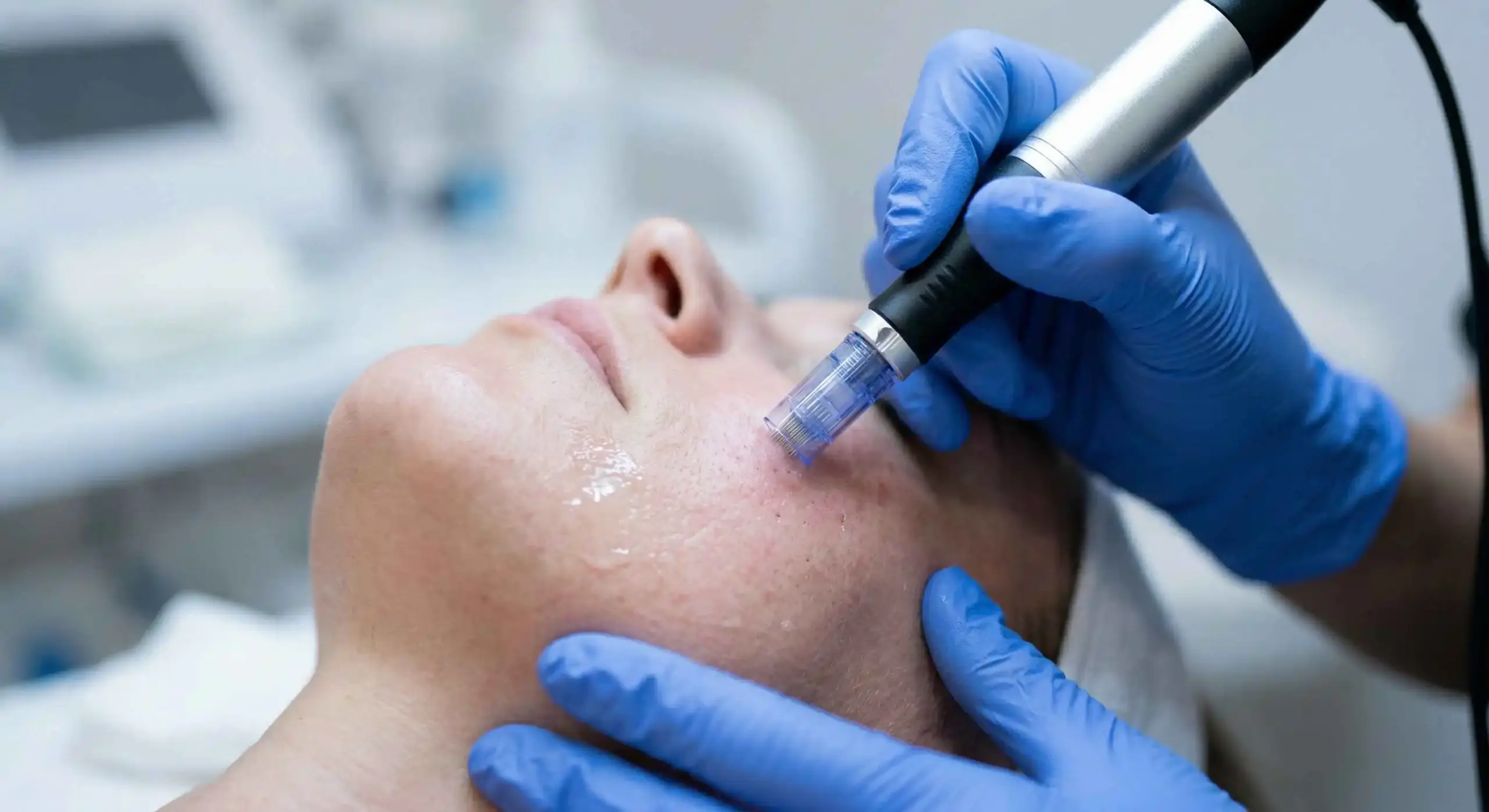
Plasma energy creates tiny, controlled micro-injuries in the skin without the device tip ever touching the surface.
Your skin responds the way it does to any controlled injury. Fibroblasts, the cells that build structural support, ramp up production of collagen and elastin. That is why you will see this category described as a fibroblast treatment. Over the following weeks, that new collagen firms and smooths the treated area.
Both use the same biology, so the decision comes down to how the energy is delivered and how much skin it reaches.
A Plasma Pen treatment is precision work. The provider places individual plasma points in a deliberate pattern across a small, defined area, which makes it well suited to the upper and lower eyelids and to isolated lines.
Plasma Frax Mjolnir Pro works differently. It uses advanced fractional and cold plasma technology to deliver energy across a larger treatment zone, which is why it falls under plasma skin resurfacing rather than spot treatment alone. It is FDA-cleared for plasma skin tightening and rejuvenation.
Plasma Frax is the more aggressive of the two. That is the tradeoff: more coverage and more depth mean more visible healing time.
Start with what bothers you when you look in the mirror.
None of these replace an in-person assessment.
After treatment, small carbon dots form on the skin. They look like tiny scabs and shed naturally as the skin repairs itself. With Plasma Frax, that runs five to ten days. Smaller Plasma Pen areas often clear faster because less surface area was treated.
Healing is visible while it happens, so build in buffer time around weddings, vacations, or client-facing work.
Three habits raise the risk of post-inflammatory hyperpigmentation, the complication most worth avoiding:
Neither treatment finishes when the crusting does. Collagen keeps building for weeks after the surface heals, so the skin you see at day ten is not the final result.
Most patients notice fuller results in the one to three month range. Results may last one to three years for many patients, though skin type, sun exposure, smoking, and skin care habits all influence how long that holds.
Session counts vary. A small area may need fewer treatments than a full-face skin rejuvenation Houston TX plan targeting texture and scarring across a wider zone.
Before either treatment, your Fitzpatrick skin type gets assessed. This is the clinical scale providers use to gauge how skin responds to UV exposure and energy-based treatments, and it matters because plasma carries a hyperpigmentation risk that varies by skin tone. Patients with deeper skin tones may face higher pigment risk.
Several other factors shape the recommendation:
Sometimes the right answer is neither, and a good provider will say so. At your consultation for Plasma Frax Houston TX, our team assesses your skin type, review your history, and walk you through the healing window.
Choosing between plasma skin tightening Houston options is not something you should have to do from a search results page. The difference comes down to how much area needs attention and how much healing time fits your life, and both are easier to sort out in person. Not sure which treatment is right for you? Book a consultation today.



We use cookies to enhance your browsing experience, serve personalized content, and analyze our traffic. By clicking "Accept", you consent to our use of cookies. You can manage your preferences or opt out at any time.